
Tai Chi for Menopause Support in Brixton | Calm, Energy & Stress Relief
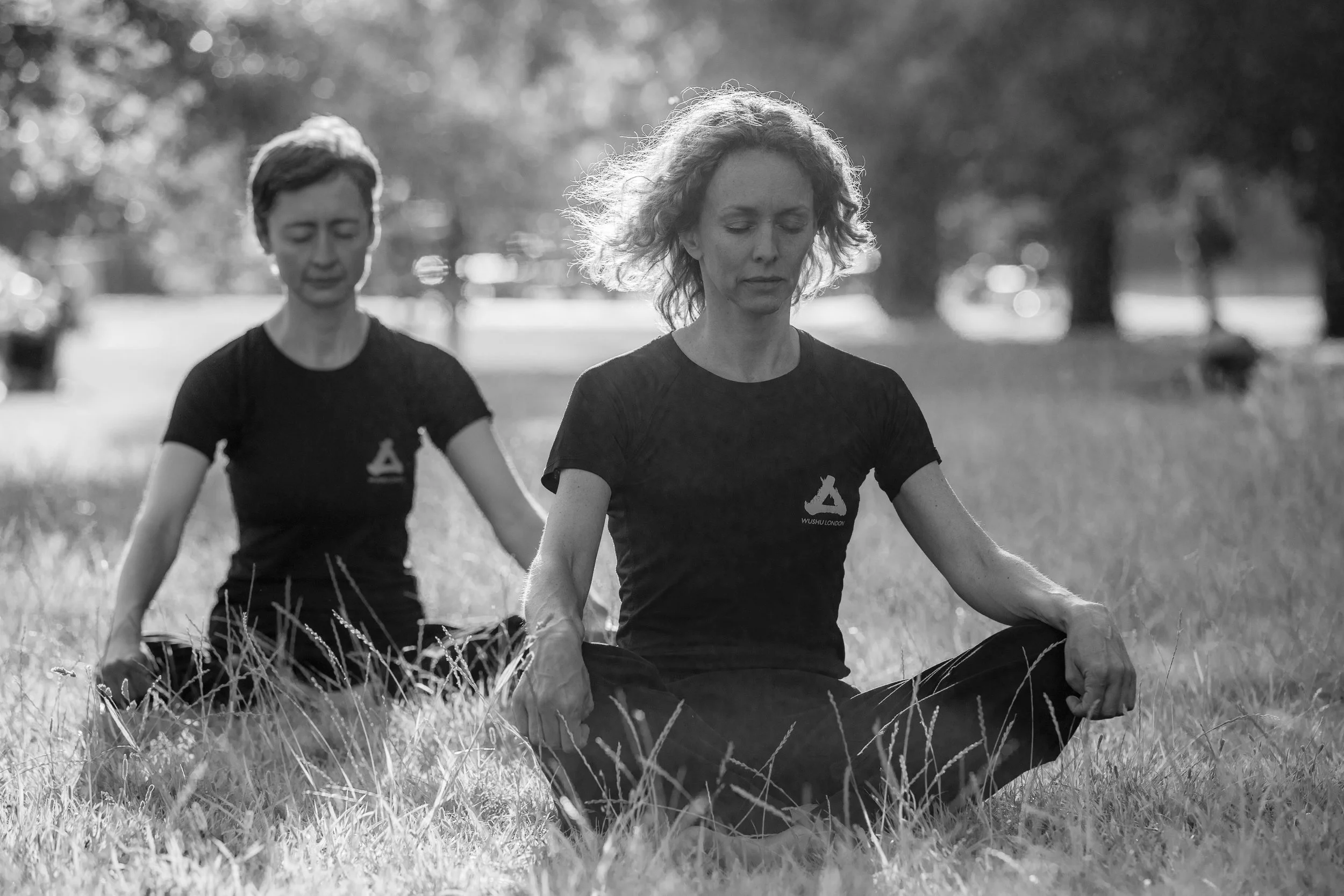
Tai Chi for Menopause Support: Gentle Movements to Improve Mood, Energy & Reduce Tension
Menopause (or peri-menopause: the years leading up to menopause) is a major life transition, and many women are looking for natural, low-impact ways to support their physical and emotional wellbeing during this time. If you’re experiencing anxiety, fatigue, poor sleep, or increased tension, Tai Chi can be a powerful and accessible support tool.
Tai Chi is a gentle mind–body practice that combines slow, flowing movements with breathing and focused awareness. It’s especially well suited to menopause because it supports the nervous system, conserves energy, and reduces stress without placing strain on the joints.
At Tai Chi Brixton, I offer welcoming Tai Chi classes in South London that are designed with women’s wellbeing in mind. The practice I teach is simple, grounded, and realistic for busy lives, and can be easily practised at home.
How Tai Chi Supports Peri-Menopause Wellbeing
Each session is built around three simple steps that help support common menopause symptoms: mood changes, low energy, and physical tension.
Step 1: Mood – Relax and Calm the Nervous System
During peri-menopause, many women notice emotional changes such as:
anxiety or feeling on edge
a racing or pounding heartbeat
low mood or irritability
light or disrupted sleep
Tai Chi uses slow, rhythmic movements and steady breathing to gently calm the nervous system. This helps move the body out of stress mode and towards a more relaxed state.
Many women find that practising Tai Chi in the evening becomes a supportive part of their sleep routine, helping the body wind down and prepare for rest.
Step 2: Energy – Conserve, Ground and Rebuild
Fatigue during menopause can show up as:
persistent tiredness
exhaustion after poor sleep
reduced concentration
brain fog
Rather than pushing or forcing movement, Tai Chi teaches you how to slow down and conserve energy. Movements focus on grounding through the feet, improving posture, and moving with ease rather than effort.
This approach helps you feel more centred, steady, and present, even on days when energy levels are low.
Step 3: Tension – Expand, Soften and Let Go
Hormonal changes can contribute to physical tension such as:
tight shoulders or neck
joint and muscle aches
jaw clenching
a general feeling of holding or bracing in the body
Tai Chi emphasises long, relaxed exhalations, which activate the parasympathetic (“rest and digest”) nervous system. Gentle, flowing movements encourage the body to soften, release tightness, and move more freely.
With regular practice, many women notice reduced tension, improved mobility, and a greater sense of physical ease.
A Supportive Way to Care for Yourself Moving into 2026
As we move towards a new year, many women are rethinking how they look after themselves, not by doing more, but by doing things that genuinely support their health and nervous system.
Tai Chi offers a calm, empowering approach to menopause wellbeing. It’s not about performance or pushing through, it’s about listening to your body, moving with kindness, and creating space to reset.
The practice is suitable for complete beginners, and no prior experience or fitness level is needed.
Tai Chi for Menopause in Brixton & South London
If you’re based in Brixton or South London and would like to explore Tai Chi as a way to support your menopause journey, I offer:
friendly group classes
a down-to-earth, supportive teaching style
If you’d like to ask a question or book a session, you’re very welcome to get in touch using the contact form.
Gentle movement. Calm focus. Practical support for real life.